

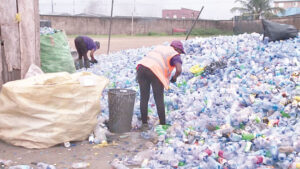
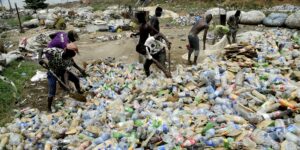
Plastic waste has become a serious environmental problem in Nigeria. Drainages clogged with plastic bottles and nylon bags contribute to flooding during the rainy season, while indiscriminate dumping pollutes rivers, streets, and farmlands. In many cities, waste management agencies struggle to keep up with the growing volume of plastic waste.
Rather than focusing only on the problem, a growing number of organisations and communities are tackling plastic pollution through recycling initiatives.
In states such as Lagos and Ogun, recycling companies and community groups have introduced programmes that encourage residents to separate plastic waste from household refuse. Collection centres allow people to exchange plastic bottles for cash, food items, or household products. Some schools have also incorporated recycling education into environmental clubs, teaching students the importance of proper waste disposal and environmental conservation.
These initiatives have shown measurable results. Communities that actively participate in recycling programmes often experience cleaner surroundings and reduced blockage of drainage systems. Recycling businesses have also created employment opportunities for waste collectors, transporters, and factory workers who process plastic into reusable materials such as chairs, paving stones, buckets, and packaging materials.
One notable benefit is that many young people who were previously unemployed now earn a steady income by collecting and selling recyclable plastics. At the same time, manufacturers reduce the need for new plastic production by using recycled materials, helping to conserve natural resources.
Despite these successes, recycling still faces significant challenges. Many Nigerians lack access to nearby recycling centres, public awareness remains low in some communities, and inadequate infrastructure limits the amount of waste that can be processed. Without stronger government policies and sustained investment, recycling alone cannot eliminate Nigeria’s plastic waste problem.
Environmental experts recommend expanding recycling facilities, strengthening waste collection systems, enforcing environmental regulations, and increasing public education campaigns. Partnerships between government agencies, private recycling firms, schools, and local communities can further improve the effectiveness of these efforts.
The growing success of plastic recycling initiatives demonstrates that environmental challenges can be addressed through practical, community-driven solutions. While recycling is not a complete answer to Nigeria’s waste crisis, it provides a proven model that protects the environment, creates jobs, and encourages citizens to take responsibility for keeping their communities clean.
22 total views, 22 views today