

Mental health challenges among young people have become a growing public health concern worldwide. Every day, many adolescents and young adults struggle with anxiety, depression, stress, and emotional difficulties caused by academic pressure, financial hardship, family conflicts, peer influence, and social media.
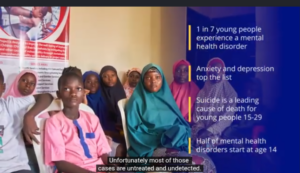
According to the World Health Organization (WHO), one in seven adolescents aged 10–19 experiences a mental health disorder. Many of these conditions begin before the age of 14 but often go undiagnosed and untreated. Without timely support, these challenges can affect education, relationships, and future opportunities.
Despite these realities, some organisations and schools are proving that young people can overcome these challenges through innovative mental health programmes that promote resilience, peer support, and early interventions.
One initiative making a difference is a peer-to-peer mental health training programme that equips young people with the knowledge and skills to recognise mental health challenges, manage stress, and support their peers.
The initiative uses interactive activities, group discussions, and games to teach participants about emotional well-being, self-esteem, decision-making, and the importance of seeking help.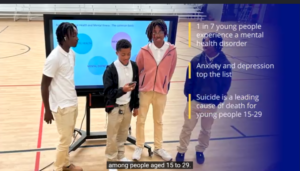
The image shows students participating in a mental health awareness or peer-training session.
Participants are also encouraged to share what they learn with other young people, helping to reduce stigma and create supportive communities.
One participant, Ellany Lopez, an 11th-grade student at Saint Croix Central High School, said the peer- support mental health training changed how she viewed mental health.
“Before the training, I knew very little about mental health. Now I understand how to support my friends and encourage them to seek help when they need it.”
She explained that the training improved her confidence and made it easier for other students to approach her for support because they knew they would not be judged.
The training has helped participants gain a better understanding of mental health, improve their communication skills, and become more willing to seek help when facing emotional challenges. By equipping young people to educate and support one another, the initiative has created a ripple effect, increasing awareness and reducing the stigma associated with mental health. Participants have become peer educators who encourage open conversations about emotional well-being in their schools and communities.
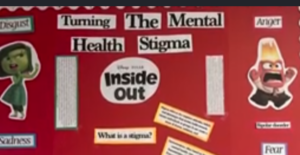
The peer- support approach succeeds because young people often feel more comfortable discussing their problems with friends than with adults. By empowering peers with accurate information and practical skills, the initiative creates trusted support networks and encourages early intervention before mental health problems become more serious.
Despite its positive impact, the initiative faces several challenges. It requires continuous funding, trained facilitators, and support from schools and communities. In addition, the initiative may need to be adapted to suit different cultures and educational settings before it can be implemented successfully in other regions.
Youth mental health is a challenge that cannot be ignored, but solutions like peer-led mental health initiative demonstrate that positive change is possible. By educating young people, reducing stigma, and encouraging peer support, these initiatives are helping build resilience and hope among the next generation.
Expanding similar initiative to more schools and communities could ensure that many more young people receive the support they need to thrive.
109 total views, 109 views today