
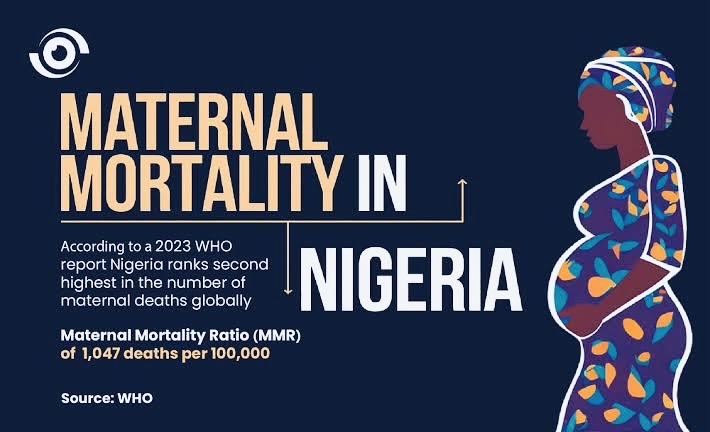
Nigeria records more than seven million births annually, making it one of the world’s fastest-growing populations; yet, despite this demographic expansion, maternal and infant mortality remain among the country’s most pressing public health challenges, highlighting persistent weaknesses in healthcare delivery, particularly in underserved rural communities.
A review of demographic and health data from the National Population Commission (NPC), the World Health Organization (WHO) and UNICEF indicates that while Nigeria continues to experience rapid population growth, progress in maternal and child survival has remained uneven.
As Africa’s most populous nation, Nigeria contributes significantly to global births each year.

However, WHO continues to identify the country as one with a high maternal mortality burden, while UNICEF data show that preventable newborn and child deaths remain a major public health concern.
Healthcare Delivery Remains the Critical Challenge:
Analysis of available health indicators suggests that Nigeria’s principal challenge is not population growth itself but the ability of the health system to protect mothers and newborns before, during and after childbirth.
Maternal deaths continue to be linked to preventable complications such as severe bleeding, infections, hypertensive disorders during pregnancy and inadequate access to emergency obstetric care.
Infant and under-five mortality are largely associated with malaria, neonatal infections, birth complications, malnutrition and vaccine-preventable diseases.
Health experts have consistently noted that many of these deaths can be prevented through timely access to quality healthcare, skilled birth attendance, routine immunisation, proper nutrition and effective postnatal care.
Rural Communities Bear the Greatest Burden:
Available evidence shows that rural communities continue to experience the greatest challenges in accessing quality maternal and child healthcare.
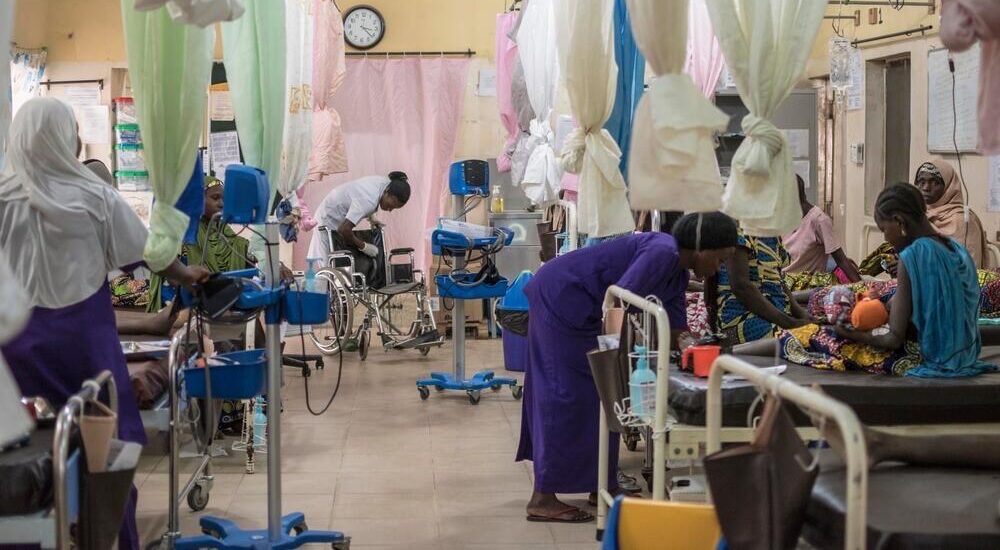
Many primary healthcare facilities face shortages of skilled health personnel, essential medicines, functional medical equipment and reliable transportation for emergency referrals.
In some communities, pregnant women travel long distances before reaching healthcare facilities capable of managing childbirth complications.
These structural gaps contribute significantly to delayed treatment and poor maternal and neonatal outcomes.
Data Highlight Need for Stronger Primary Healthcare:
The findings reinforce long-standing recommendations by international health agencies that strengthening Nigeria’s primary healthcare system remains one of the most effective strategies for reducing maternal and infant mortality.
According to WHO and UNICEF, improving access to skilled birth attendants, expanding antenatal and postnatal care services, ensuring uninterrupted vaccine coverage and increasing investment in community-based healthcare can substantially improve survival rates.
Public health specialists also emphasise that sustainable improvements require stronger health financing, improved workforce distribution, better medical supply chains and increased accountability in healthcare delivery.
Investing Beyond Population Growth:
Demographers note that a growing population can become an economic advantage only when accompanied by improved health, education and social protection.
Nigeria’s youthful population presents significant opportunities for economic growth and national development. However, those opportunities depend on ensuring that mothers survive childbirth and children reach adulthood in good health.
Without sustained investment in healthcare infrastructure and preventive services, demographic growth alone is unlikely to translate into long-term socio-economic gains.
Strengthening Accountability Through Data:
The analysis demonstrates the importance of evidence-based policymaking and transparent health data in addressing maternal and child health challenges.
Experts argue that routine publication of health indicators, stronger monitoring of healthcare investments and improved public accountability can help policymakers identify service gaps and allocate resources more effectively.
As Nigeria continues to record millions of births annually, health outcomes, not birth figures alone, will remain the most meaningful measure of national progress.
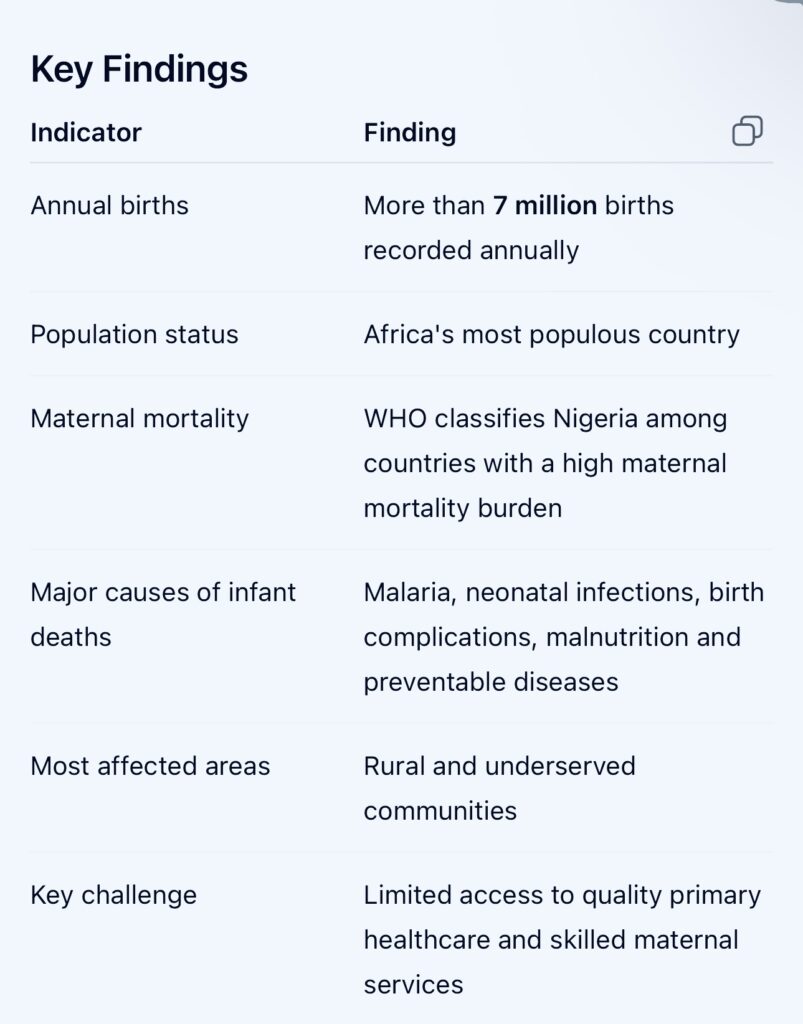
Key Findings:
Methodology:
This report is based on an analysis of publicly available demographic and health data from:
- National Population Commission (NPC)
- World Health Organization (WHO)
- UNICEF
Additional analysis examined published evidence on maternal mortality, child survival, primary healthcare coverage and demographic trends to evaluate the relationship between population growth and health outcomes in Nigeria.
Editor’s Note:
This report adopts a data journalism approach by synthesising official demographic and public health data from nationally and internationally recognised institutions.
References to the university coursework, this story was gathered by the 2025/2026 400 level student of the department of Mass Communication, Crescent University, Abeokuta, as part of their MAS 301/Data Journalism coursework.
13 total views, 13 views today