• Login
No Result
View All Result
Crescent University
  • Home
  • Inside Politics
  • Security Post
  • Heritage
  • Brands and Images
  • Lifestyle
  • Fact Checker
  • Airwaves
  • Radiance
  • Newsmaker
  • ABOUT US
  • ADVERTISE 
  • DISCLAIMER
  • Home 1
  • OUR MISSION 
  • OUR TEAM
  • OUR VISION
No Result
View All Result
Crescent University
No Result
View All Result
Home News

The effect of fuel subsidy removal in Nigeria.

By AJIBOYE ADEBOWALE MOSES S225303086, OLUGBON SAHEED ADEDOYIN S225303088, EMMANUEL OMOLOLA OZAVISA S225303084.

Online Editor by Online Editor
July 8, 2026
in News
0
0
SHARES
0
VIEWS
Share on FacebookShare on Twitter

The removal of fuel subsidy in Nigeria has significantly increased the cost of living while improving government revenue, according to a data-driven analysis on the impact of the policy.

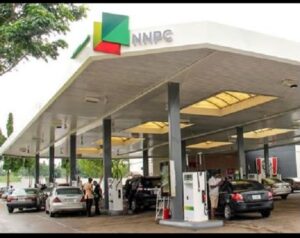
The report reveals that after the Federal Government ended the fuel subsidy in May 2023, the pump price of petrol rose from about ₦185–₦206 per litre to over ₦1,000 per litre in many parts of the country. The sharp increase triggered higher transportation fares, food prices, and inflation, placing additional financial pressure on households.

Data also indicates that daily petrol consumption dropped significantly after the subsidy was removed as many Nigerians reduced fuel usage due to rising costs.

Despite the hardship, the report notes that the government has recorded substantial savings from the removal of subsidy. These savings have reportedly strengthened public finances, increased revenue allocations to states, reduced fiscal deficits, and created opportunities for greater investment in infrastructure and social programmes.

The analysis further shows that while fuel subsidy previously kept petrol prices low, it consumed trillions of naira annually and disproportionately benefited wealthier Nigerians who used more fuel.

The report concludes that although the policy has caused short-term economic hardship, data journalism provides evidence that it has also improved fiscal sustainability. It recommends continued monitoring of government spending to ensure savings from subsidy removal are invested in projects that directly benefit Nigerians.

 48 total views,  48 views today

Previous Post

The Education Mirage: Why Billions in Nigeria’s Education Budget Fail to Reach the Classroom

Next Post

MTN Nigeria has increased the cost of its data plans.

Online Editor

Online Editor

Next Post

MTN Nigeria has increased the cost of its data plans.

Leave a Reply Cancel reply

Your email address will not be published. Required fields are marked *

Recommended

Nigeria Cuts Child Mortality by Nearly 40% in 34 Years, But Newborn Deaths Remain Stubbornly High

Nigeria Cuts Child Mortality by Nearly 40% in 34 Years, But Newborn Deaths Remain Stubbornly High

4 hours ago
Over 6 Million Nigerian Electricity Consumers Still Unmetered, NERC Data Shows

Over 6 Million Nigerian Electricity Consumers Still Unmetered, NERC Data Shows

4 hours ago

Trending

No Content Available

Popular

No Content Available
Facebook Twitter Instagram Pinterest Youtube
Crescent University

Follow Us

Copyright 2022 by Crescent University, Abeokuta Designed by CYBERWARRIOR.

No Result
View All Result
  • Home
  • Inside Politics
  • Security Post
  • Heritage
  • Brands and Images
  • Lifestyle
  • Fact Checker
  • Airwaves
  • Radiance
  • Newsmaker

Copyright 2022 by Crescent University, Abeokuta Designed by CYBERWARRIOR.

Welcome Back!

Login to your account below

Forgotten Password?

Retrieve your password

Please enter your username or email address to reset your password.

Log In